The African digital landscape in 2026 is no longer defined by a single ‘winner-takes-all app.…

What Nigerians Really Care About Online: Nairaland-to-Feedcover Perspective
If you want to understand Nigerians, not the filtered version on Instagram or the polished version in marketing decks, you study where they speak freely.
For years, that place has been Nairaland. It has functioned as Nigeria’s open diary. Loud. Emotional. Argumentative. Insightful. Sometimes chaotic. Always revealing. It captures what Nigerians fear, what they hope for, what frustrates them, and what they are trying to figure out in real time.
But here is the deeper question in 2026:
What happens after we observe these conversations?
How do we structure them?
How do we turn raw discussion into searchable, contextual knowledge?
To answer that, we need to start with why Nairaland still matters.
Why Nairaland Still Matters in 2026
Despite an outdated interface, minimal product evolution, and inconsistent moderation, Nairaland remains culturally important for one reason:
It reflects Nigerians as they are, not as brands imagine them.
People still go there to:
- Ask questions they cannot ask publicly
- Vent frustrations they cannot express offline
- Debate politics without institutional filters
- Learn survival strategies from strangers
- Validate experiences they feel alone in
It is Nigeria’s behavioral archive.
When rice prices rise, threads appear.
When a celebrity falls from grace, discussions explode.
When a visa policy changes, experiences flood in.
When a relationship dilemma feels confusing, strangers analyze it for pages.
Nairaland shows patterns of attention. And those patterns reveal what Nigerians truly care about.
What Nigerians Consistently Discuss (And What It Reveals)
Across years of threads, recurring themes emerge.
1. Romance and Gender Debates
These are not fairy-tale discussions. They are risk assessments.
Marriage affects family reputation.
Economic instability raises the stakes of choosing a partner.
Gender roles are constantly renegotiated.
When someone asks, “Would you marry this type of woman?” they are really asking:
Is this safe?
Will this affect my future stability?
Am I making a costly mistake?
This is social risk management disguised as romance debate.
2. Politics and Governance
Political threads are rarely abstract ideology. They are economic survival audits.
Why is food more expensive?
Why does one region seem favored?
Why does leadership feel distant from daily reality?
Governance is personal in Nigeria because policy failures show up in rent, fuel, electricity, and security.
3. Crime and Tragedy
These threads are often mistaken for morbid curiosity.
They are actually informal risk education.
People analyze crime stories to understand warning signs, avoid similar outcomes, and interpret a low trust environment. Information becomes a protective tool.
4. Jobs, Hustle, and “Earn in Dollars” Posts
Employment discussions are not about ambition alone. They are about pressure.
Underemployment is widespread.
The naira fluctuates.
Opportunities feel scarce.
So job alerts, remote work threads, and migration advice spread quickly because they represent movement toward stability.
5. Tech and Gadgets
Nigerian tech discussions are deeply practical.
Battery life.
Network reliability.
Affordable alternatives.
Money-saving hacks.
Phones are not status accessories. They are tools for work, education, and income.
6. Migration and Diaspora Reality
Migration threads are not fantasy travel diaries.
They are strategic conversations.
Families treat relocation as economic insurance. People want the truth beyond curated social media highlights.
7. Religion and Church Conversations
Faith discussions often center around trust, leadership, influence, and safety.
Religion in Nigeria intersects with community support systems, social authority, and economic reality.
Across all these categories, one pattern is clear:
Nigerians are constantly trying to reduce uncertainty.
About love.
About money.
About safety.
About leadership.
About the future.
Nairaland captures this uncertainty in raw form.
But capturing is not the same as structuring.
And this is where the gap becomes visible.
The Structural Gap in Nairaland
Nairaland succeeds culturally, but it struggles structurally.
Threads are long and often chaotic.
Valuable insights are buried deep inside comment chains.
Discovery depends heavily on already knowing what to search for.
Topics overlap without contextual linking.
High-value discussions sit beside low-effort posts with little differentiation.
It functions as a live conversation room.
It does not function efficiently as a structured knowledge system.
In 2008, that was enough.
In 2026, attention behavior has changed.
Users are mobile-first.
They expect cleaner navigation.
They expect contextual tagging.
They expect discoverability beyond chronological threads.
The need is no longer just open discussion.
It is organized conversation.
That is the shift Feedcover represents.
Feedcover: Structuring What Nigerians Already Care About
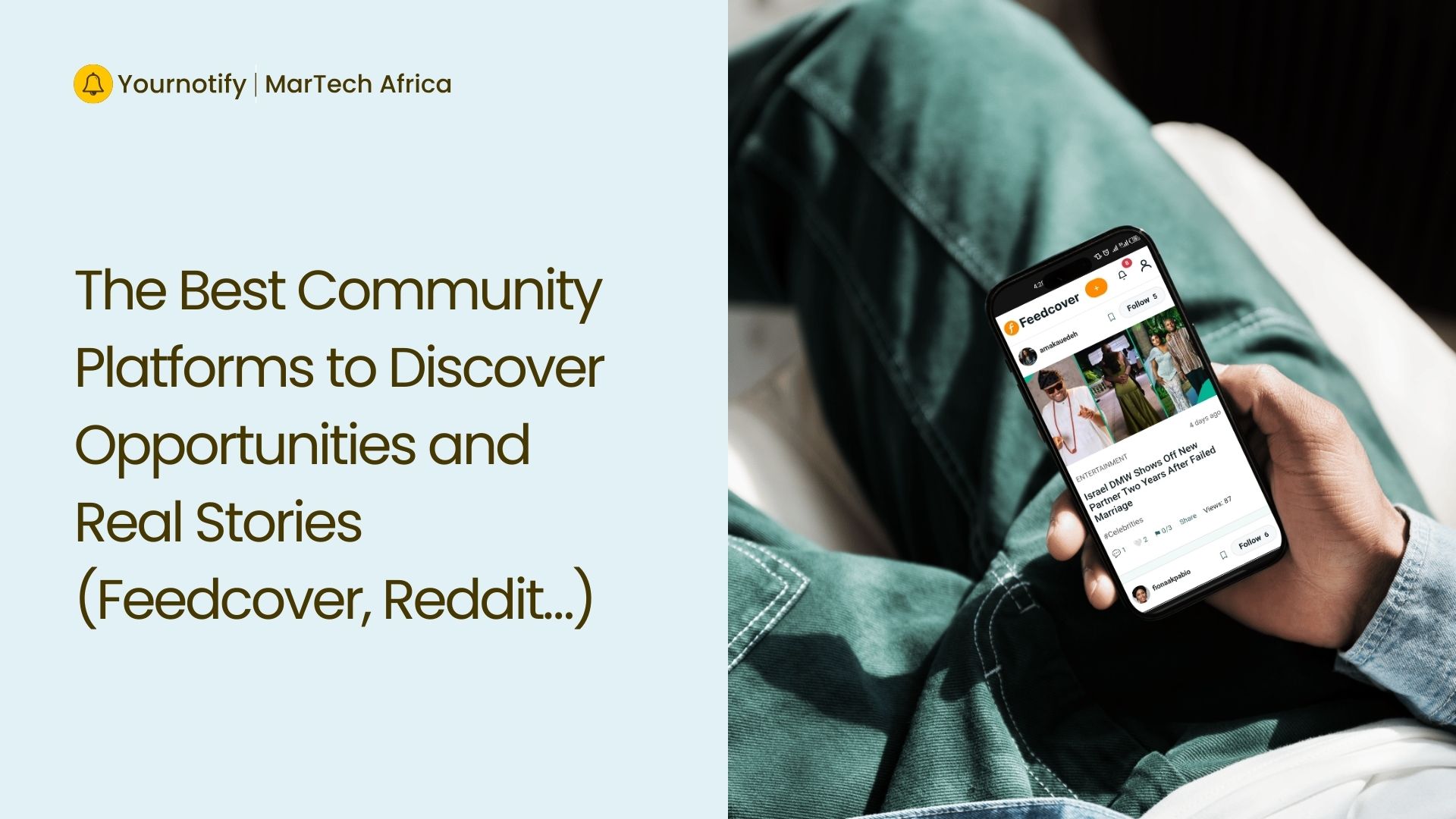
Feedcover, Nigeria’s first hyper-localized content platform—a place where everyday Nigerians can share their lived experiences and connect with others who live in their reality, does not attempt to replace the cultural role Nairaland played. It evolves it.
Instead of long, stacked threads, discussions exist as standalone feeds. Instead of broad categories alone, conversations are layered with tags tied to location, industry, theme, and lived experience. Instead of insights disappearing inside page 17 of a thread, individual contributions remain discoverable.
Where Nairaland reflects raw digital consciousness, Feedcover structures it.
For example:
Where Can I Freeze My Eggs in Nigeria?
What to Know Before Dating a Nigerian Man
Step-by-Step Guide on How to Become a Virtual Assistant (VA)
This creates multidimensional discovery rather than isolated conversation islands.
From Archive to Knowledge Network
The difference is subtle but powerful.
Nairaland stores conversation chronologically. Feedcover organizes conversation contextually.
This means:
Interests are searchable by theme and geography
Conversations compound over time
Related topics connect automatically
Users can explore by reality, not just by category
Hyper-localization is central to this shift.
Discussions are rooted in Nigerian conditions, not generic global commentary. Economic realities, regional differences, and cultural nuance shape how topics are structured.
The result is not just a forum. It is an evolving map of Nigerian lived experience.
Why This Matters for Brands and Strategists
If Nairaland reveals what Nigerians care about, Feedcover makes that care navigable.
Brands no longer have to manually scan chaotic threads to extract insight. They can observe structured clusters of attention.
Love and relationships.
Governance and economy.
Religion and trust.
Tech survival.
Migration strategy.
Side hustle culture.
These are not random viral spikes. They are recurring attention anchors.
When content aligns with these anchors in structured environments, it gains contextual relevance rather than fleeting visibility.
The Bigger Shift
Nigerians are not lacking platforms to speak.
They are lacking platforms that organize what they say.
Nairaland proved that Nigerians will talk.
Feedcover builds the infrastructure that makes those conversations searchable, layered, and future-facing.
One captured behavior.
The other structures it.
And in 2026, structure is what turns attention into long-term understanding.
That is the real evolution from Nairaland to Feedcover.

Related Posts